


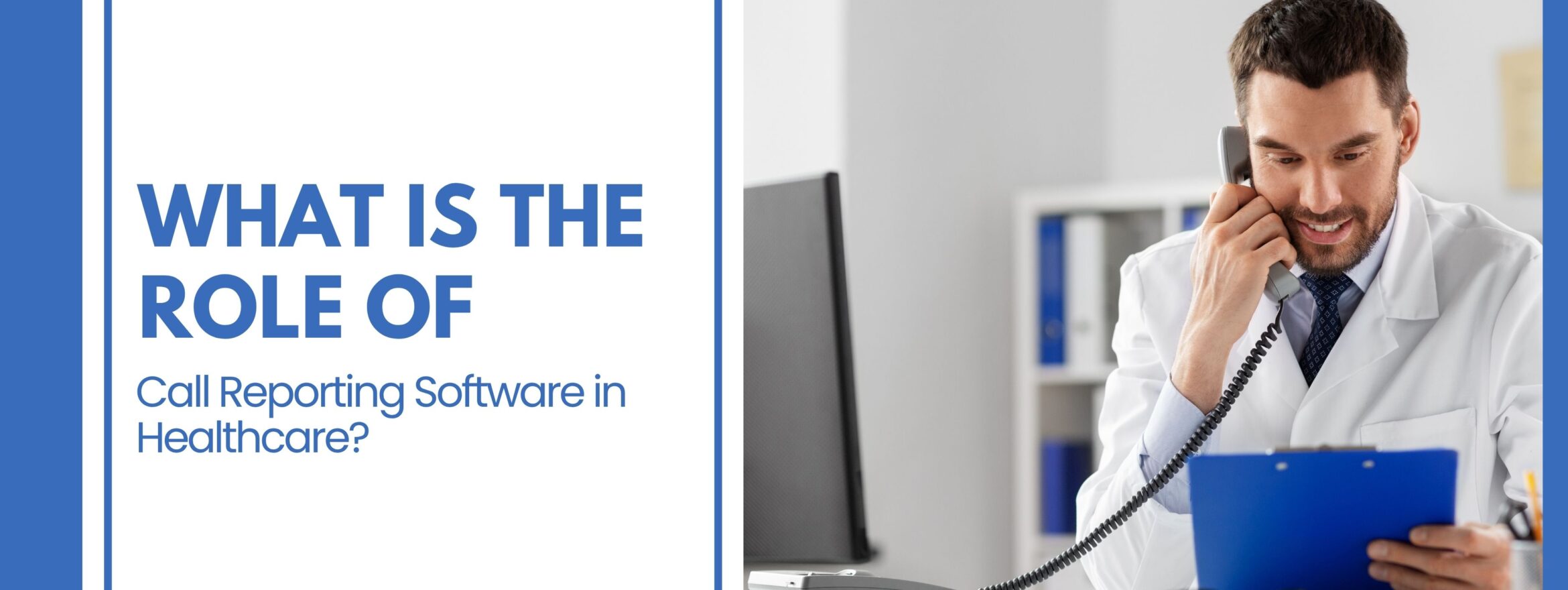
In healthcare, communication is just as essential as medical expertise. Each phone call from a patient, caregiver, or collaborator contains crucial information impacting the delivery of care, patient satisfaction, and life-saving elements. Yet, for many organizations, call data was often not tracked and managed properly. Without the appropriate documentation, and even more important, proper accountability: issues remain from inefficiencies in your organization, missed opportunities, and even lapses in patient care.
With accurate, close to real-time consumption of call activity, Call Reporting Software is equipped to change the game for healthcare organizations, making it easier to track utilized communications, and distribute resources for a better, more efficient patient experience.
In this blog post, we will look into how Call Reporting Software – Callation specifically is being utilized in healthcare, and how it has become an integral component of modern medicine.
Why Call Reporting Matters in Healthcare
Healthcare communication is often urgent and sensitive in nature. Healthcare includes all the phone calls customers make to get information or access healthcare services. One missed, or delayed call could mean someone doesn’t get the medical attention in a timely manner they need. Most standard call management systems do not always have the reporting element necessary to properly scrutinize these interactions. Therefore, without data, the administrator is likely to be completely guessing about call volume, team productivity, or patient engagement. Call Reporting Software fills this void by converting call data into actionable information.
Key Advantages of Call Reporting Software in Healthcare
Let’s discuss how healthcare organizations use Callation’s call reporting functions:
1. Better Patient Experience
Patients want to have the right information quickly, and in a clear and concise manner.
Call reports can determine peak call time to help manage patient traffic and staff during those times.
Callation allows you to flag missed calls in close to real-time with follow-ups to ensure patient experience is maintained consistently.
2. Team Management
Healthcare call centres and front desk teams can routinely be responsible for an overwhelming volume of calls.
With Callation’s detailed reports, you can monitor call duration, response time, and how well your team manages calls to identify gaps and allocate additional resources.
Insights into team productivity make it easier to standardise best practices, streamline operations, and reduce patient waiting times.
3. Evidence-Based Decision Making
Call reporting offers accurate data in close to real-time to enable monitoring of performance.
Administrators can track metrics and identify areas to improve and optimise their team’s workflow. This crucial data can clarify patterns such as routine inquiries, peak call hours, or departmental activity. With this insight, healthcare organisations can make smarter staffing and operational decisions, ultimately improving patient experience.
4. Compliance and Transparency
The healthcare industry is one of the most highly regulated sectors, where documentation and accountability are top priorities. Reliable, effective call reporting software guarantees that every interaction is tracked and logged. When paired with a strong policy framework, the documentation will always be compliance-ready. In case of disputes, accurate reports provide transparency and can serve as reliable evidence of communication records.
5. Interdepartmental Communication
Hospitals and clinics typically have multiple departments where patient care is provided.
With call reporting information, communication pathways can be identified, monitored, and improved. Doctors, nurses, and clerical staff have access to call history to close the loop for patient care and communicate together about patient needs.
6. Notifications on Critical Calls
Healthcare never misses an emergency opportunity. With Callation’s Intelligent Alerts, healthcare providers can notify managers of missed calls, excessive wait times, or abnormal call patterns in a matter of seconds. It is much easier to respond proactively instead of reactively, and it is essential to respond quickly to avoid break-downs in communication that can create safety issues for patients.
7. Cost Savings/Resource Savings
Call tracking can demonstrate waste or inefficiencies due to repetitive questions, or providers spending time looking for information. Customizable daily, weekly, or monthly automated conjunction reports with call tracking enables managers to be aware of staff workload without requiring extra effort from managers. Over time, this labor-saving exercise can streamline productivity and increase the level of patient care.
Why Choose Callation for Healthcare Call Reports?
Callation promotes clarity, performance, and simplicity for businesses that rely on calls and healthcare is no different. Callation’s features include:
- Detailed call reports to track calls accurately
- Fast rendering and high-quality visualisation
- Team productivity insights to manage healthcare staff efficiently
- Automated reports delivered directly to your inbox
- Intelligent alerts for urgent and missed calls
Healthcare providers can maintain reliable communication channels to support patients and staff seamlessly.
Unlike complex IT systems, Callation’s interface is clean and straightforward and easy to train healthcare teams on, allowing them to stay focused on patient care instead of complex dashboards.
To learn more about Callation
why Callation is the smarter choice for your business, check out our full guide here
Conclusion
In healthcare, calls aren’t just numbers; they’re patients seeking care, reassurance, or critical information. Missing calls or failing to analyse communication patterns can lead to inefficiencies, patient dissatisfaction, and risks to health outcomes. Callation creates pathways for improved communication, stronger patient experiences, and data-backed operational excellence.
For forward-thinking healthcare providers, this technology isn’t just optional, it’s essential to delivering modern, efficient, and compassionate care.