


Why Call Tracking Matters for E-commerce
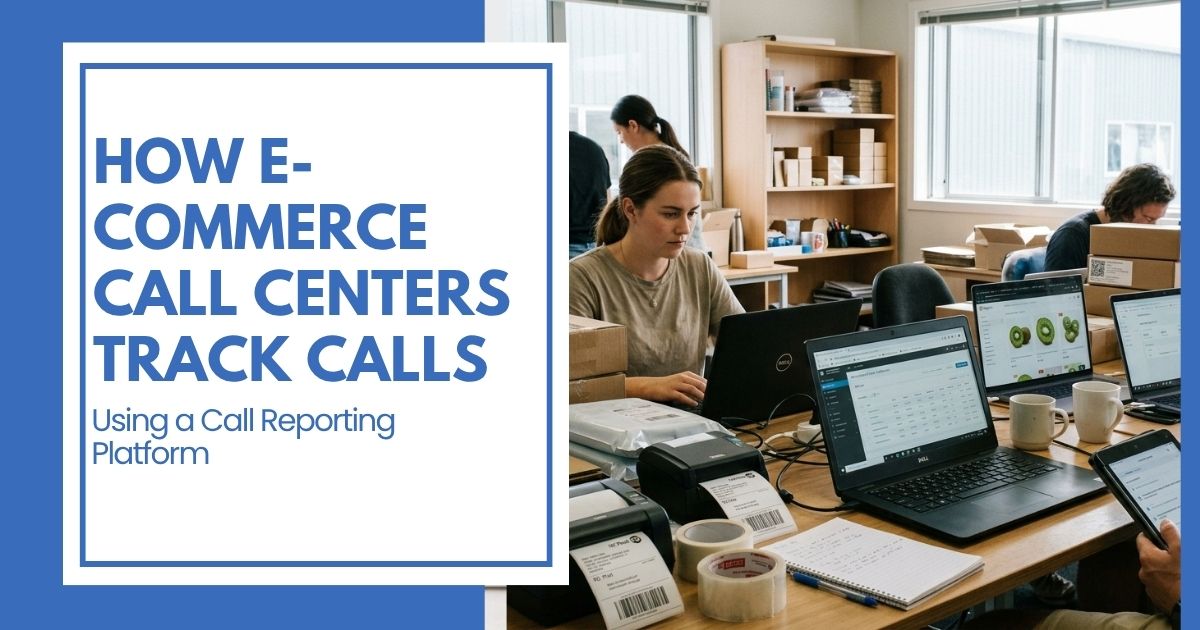
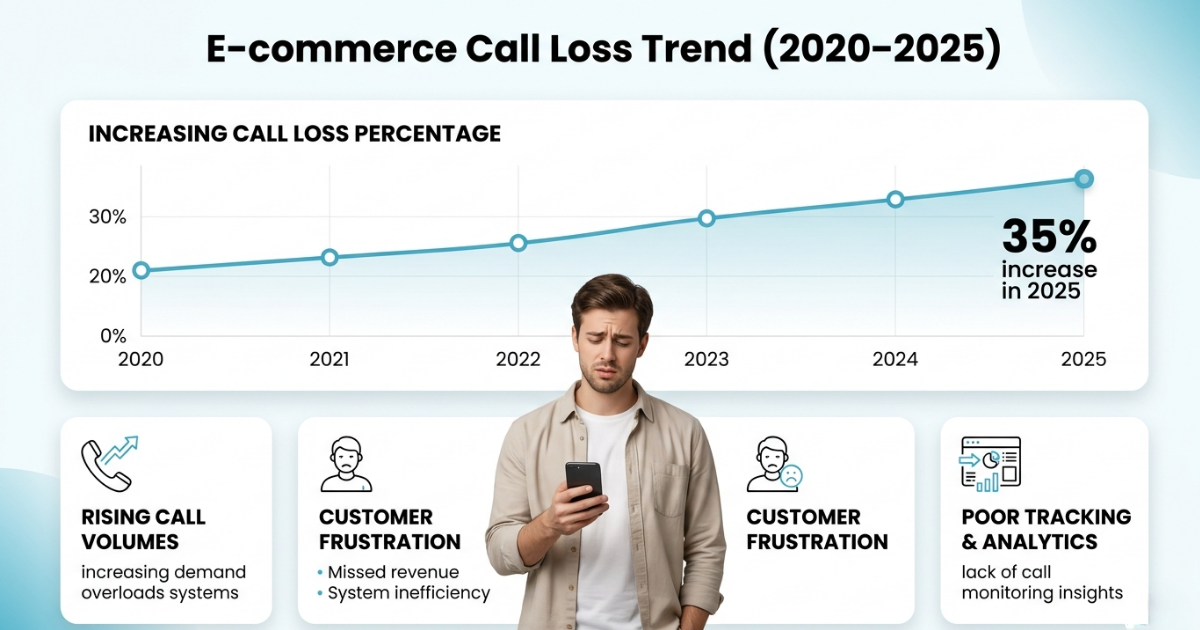 E-commerce is not only about clicks. Many sales and help happen on the phone. People call to ask about shipping, returns, products, or big orders. Each call can help get or keep a customer.
Managing Customer Calls at Scale
When call volumes grow, managing them manually becomes a nightmare. Your team misses calls during peak hours. You have no way to see which agents are performing well. There’s no record of what was promised to a customer.A good call logging system solves this. It records all calls, saves call info, and helps managers see what happened. It also shows which calls lead to sales.Measuring Conversions from Phone Calls
Do you know how many phone calls lead to a purchase? Most e-commerce teams don’t. Call data software shows how calls bring money. You can see which ads get calls, which agents make sales, and where people hang up.Better Customer Service
Looking at old calls helps the team learn what is good and what is not. Managers can see who needs more training.Teams can spot recurring complaints. This directly improves how customers are handled, which improves satisfaction scores and repeat purchases.How E-commerce Teams Track Calls with a Call Reporting Platform
Here’s a step-by-step look at how the process works in practice.Step 1: Call Logging and Data Collection
Every call is automatically logged with key details:• Date, time, and duration of the call• Caller ID and number dialled• Agent who handled the call• Call outcome (answered, missed, transferred)• Any notes or tags added during or after the callThis forms the base of your web based call logging software. Everything is stored securely and accessible from any device.Step 2: Call Analytics and Insights
Once calls are logged, the platform analyses the data. You get dashboards that show call volumes by hour, day, or campaign. You can track average handle time, missed call rates, and first call resolution. This is call recording analytics in action.Managers use these insights to understand how to measure the customer journey with phone calls. For example, if most dropped calls happen between 12 pm and 2 pm, you know to roster more agents during that window.You can also use call analytics dashboards to clearly track call performance and team activity. This helps managers make faster decisions using close to real time data.Step 3: Integration with Mitel PBX
The real power of Mitel PBX comes from seamless integration with call recording and reporting tools. Every call is automatically logged with complete details, allowing agents to access call history and context before picking up the phone. This helps improve response time, accuracy, and overall customer experience.Example Workflow
Here’s what a typical day looks like for an e-commerce call team using Callation:1. A customer calls to ask about a delayed shipment.2. The call is logged automatically with timestamp, agent name, and call recording.3. The manager reviews the call recording the next morning.4. The team spots a gap in how agents explain the refund policy.5. A quick training session is run. Customer satisfaction scores improve the following week.Key Features to Look For in a Call Reporting Platform
Not all call reporting platforms are built the same. Here are the features that matter most for e-commerce businesses.Call Analytics Dashboards
You need a clear visual overview of your call data. Good dashboards show you call volumes, peak times, missed calls, agent performance, and call outcomes. Look for platforms that let you filter by date, team, or campaign.Cloud-Based Call Recording
Business call recording is essential for quality assurance and compliance. A cloud call recorder stores recordings securely without overloading your local servers. Cloud based phone recording also means your team can access recordings remotely, which is ideal for hybrid and remote teams.Compliance Features
If you handle customer payment details over the phone, you need PCI DSS compliance . If you operate in the EU or UK, GDPR compliance is non-negotiable. Your call reporting platform should include built-in compliance tools like call pausing during sensitive data entry and automatic data retention policies.Reporting Tools and Performance Monitoring
Look for platforms with a toll free number monitoring system if you use free-to-call numbers. This lets you track which numbers receive the most calls and monitor performance across different campaigns or regions. Scheduled reports sent to account manager partnerships or team leads can save hours of manual work each week.Tip: Platforms that have been recognised at events like the Cloud Comms Summit often lead the way in innovation. It’s a good sign a vendor is committed to keeping their product current.Benefits for E-commerce Teams
Boost Bookings and Sales
When you know which calls convert, you can replicate what works. Coaching agents based on real call data leads to more sales. Tracking ads helps spend money smartly. Customers don’t have to repeat their information because the dashboard shows the call history. Missed calls can lose money, but alerts help the team call back fast.Setting up missed call alerts helps your team respond quickly to customers. This ensures no important lead is missed and improves response time.Conclusion
Tracking calls is very important for e-commerce. Every missed call loses a chance. Every call not saved loses info. A call reporting platform helps your team save, check, and use call data. Try Callation’s call reporting platform. See how it helps your team. Book a free demo and use every call well.Frequently Asked Questions
A call reporting platform is a tool that keeps track of all business calls. It shows call numbers, agent work, missed calls, and customer talk.
Call tracking lets you see which marketing campaigns drive inbound calls, which agents convert the most leads, and where customers drop off during a call. With this data, you can optimize your team’s approach, run targeted coaching, and allocate budget to the campaigns that are actually working.
Call reporting gives insights into wait times, call handling efficiency, and common customer issues. This helps teams respond faster, personalise interactions, and resolve problems more effectively.
Call reporting platforms identify when and why calls are being missed. With close to real-time dashboards and alerts, managers can act quickly. Features like missed call reports, call queuing, and automatic callback notifications ensure that no lead is left unattended. Over time, the data helps teams staff more effectively during peak hours.