
Tech Consulting for Startups: How to Set Up Your Technology Stack From Day One
Table of Contents

You’re building a business, not just putting tools together. Your tech stack needs to work today and still hold up as you grow. Rush this stage, and you end up with messy tech debt that slows everything down later.
This is where tech consulting for startups becomes your most valuable investment. Engaging a professional tech consulting company early stops you from wasting runway on the wrong tools. It turns your tech from a cost centre into an asset. This guide shows you how to build a robust foundation. Use the right tech consultancy services to get it done right the first time.
Stop building in the dark
You might feel tempted to hire developers and start coding immediately. That is a mistake. Without a strategy, you are just writing code that you will eventually have to delete.
Hire an IT tech consultant to map your vision to reality. They translate your business goals into a technical roadmap.
That means:
- You avoid choosing frameworks that cannot scale.
- You save money by skipping unnecessary features.
- You keep your team focused on product-market fit.
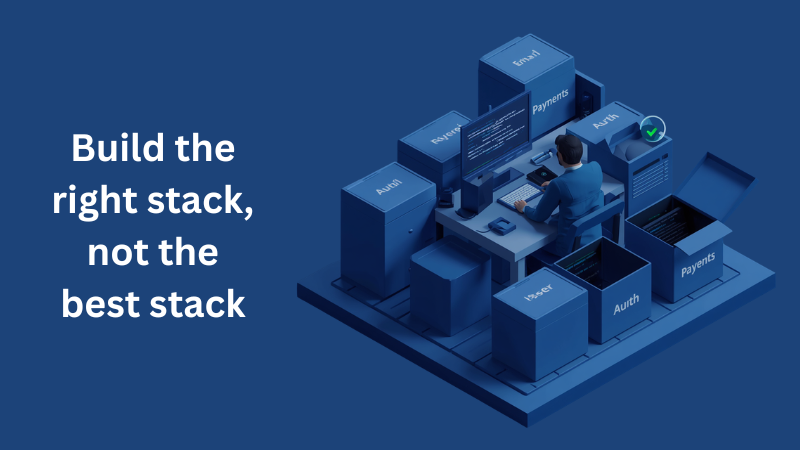
Build the right stack, not the best stack
Your goal is not the most impressive technology. Your goal is the most stable path to your first sale. Use proven tools that work for your specific market.
A top tech consultancy helps you decide what to build and what to buy. You do not need to build your own payment system. You do not need to build your own authentication.
Focus on your core values. Outsource the plumbing to established SaaS providers.
Keep your tech lean
Early-stage startups die from complexity. Every extra line of code is a new place for a bug to hide. Keep your architecture simple until your user base forces you to change.
That means:
- Stick to one primary programming language if possible.
- Choose standard cloud platforms like AWS, Google Cloud, or Azure.
- Avoid adding extra services until you have a real need.
Get compliance right from the start
Australian regulations are strict. If you handle customer data, you must respect the Australian Privacy Principles. Trying to bolt on security after a data breach is too late.
Your tech consultancy should prioritise “security by design.” This keeps you compliant without slowing down your development speed.
Focus on these areas:
- Encrypt data at rest and in transit.
- Use managed services to handle identity and access control.
- Document every data process for future audits.
Find the right partner in Australia
You need a partner who understands the local landscape. You want someone who knows the Sydney startup scene and understands how to navigate the Australian tech market.
Look for a tech consultancy that acts as an advisor, not just an order-taker. You want a firm that pushes back when your ideas do not make technical sense.
Ask these questions before you sign a contract:
- What startups have you helped scale past the seed stage?
- How do you manage handover once the project finishes?
- What happens when our requirements change in six months?

Manage your costs effectively
Tech consulting does not have to break your budget. You just need to choose the right engagement model.
Hourly rates work for small advisory tasks. Project-based pricing works best for defined builds. Retainers work when you need long-term technical leadership without a full-time hire.
Be clear about your budget upfront. A good IT tech consultant will tell you what you can achieve with your cash. They will help you phase your development to match your funding rounds.
Plan for cloud migration
You might start with a simple server setup. You will eventually need to move to the cloud. Start your architecture with cloud-native principles in mind from day one.
A tech consultancy service ensures your migration happens without downtime. They help you pick a cloud architecture that stays cheap while you have zero users and grows efficiently when you have one million.
This saves you from a massive technical migration project in two years. You move forward with a modular system that accepts new features easily.
Choose a software development partner carefully
You might need more than advice. You might need a team to build your product. When you pick a development partner, look for more than just coding skills.
Look for a firm that speaks your language. They should explain technical risks as business risks.
Evaluate them on:
- Their experience with your specific industry.
- Their track record of delivering on time.
- Their willingness to train your internal team.
Set up your stack for the long term
Technology is a living thing. You do not just build it and forget it. You need a setup that allows you to change your mind.
Use containerisation like Docker. Use automated testing for every deployment. This keeps your system stable even when your developers change.
That means:
- You catch errors before they reach your customers.
- You deploy new features without breaking old ones.
- You make it easy for new developers to start contributing immediately.
Stop guessing and start acting
You have the roadmap. You know that hiring a tech consultancy is about risk management, not just outsourcing work.
Start your search today. Contact three firms that specialise in early-stage startups. Ask for a brief consultation to discuss your stack.
The goal is to secure your foundation. Build it well today so you can scale fast tomorrow.

FAQs
1. Do I need a tech consultant this early?
Short answer: earlier than you think. Most founders wait until something breaks. By then you’re not getting advice, you’re doing damage control.
2. Biggest tech mistake startups make?
Building before they know what they’re building. The first few weeks feel productive. Then you look up and realize half of it needs to go.
3. Should I just build everything myself?
For the thing that makes your product yours, sure. For payments, logins, sending emails? No. There are tools that have solved those problems better than you’ll solve them in a weekend. Use them.
4. How do I keep it simple?
Pick one thing, ship it, then see what actually breaks. You’ll be wrong about what you thought would be the problem. The real one shows up later.
5. How do I spot a good consultant?
They tell you things you don’t want to hear. If every conversation ends with you feeling validated and nothing challenged, they’re not helping, they’re just keeping the contract.